
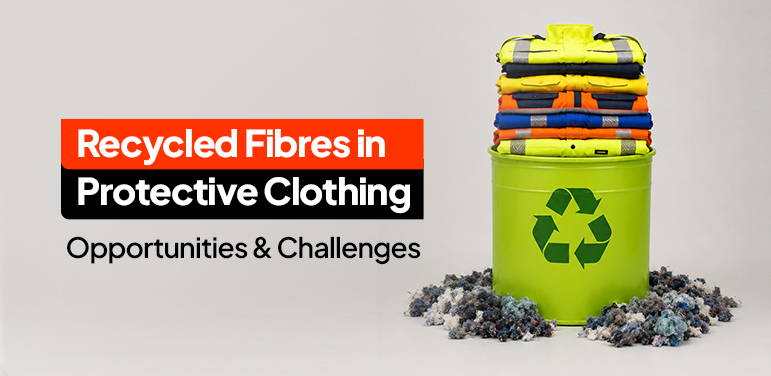
Sustainability is reshaping the protective textile industry, driving manufacturers to adopt circular solutions without compromising safety or regulatory compliance. As demand for environmentally responsible PPE grows, recycled fibres are emerging as a viable alternative to virgin raw materials, offering opportunities to reduce textile waste, lower carbon emissions, and improve resource efficiency. Protective clothing has traditionally …
Read More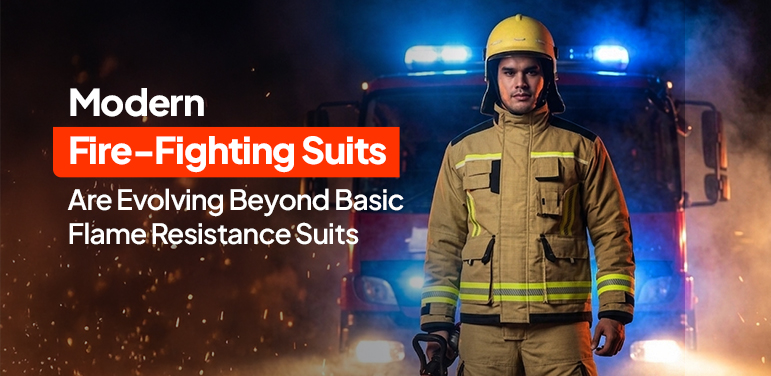
Modern Fire-Fighting Suits Are Evolving Beyond Basic Flame Resistance Suits
Firefighting has evolved significantly over the last few decades. Today’s firefighters are not only exposed to open flames but also to extreme radiant heat, toxic combustion products, carcinogenic particulates, flashover conditions, hazardous chemicals, structural collapse risks and physiological stress caused by prolonged exposure to high-temperature environments. As operational risks have become more complex, protective clothing …
Read More
Smart Protective Clothing: The Future of FR PPE with IoT Integration
Smart protective clothing is transforming Flame-Resistant (FR) Personal Protective Equipment (PPE) from a passive barrier into an intelligent safety system. With the integration of Internet of Things (IoT) technologies and embedded sensors such as temperature, gas, motion, and biometric sensors modern PPE can continuously monitor environmental conditions and worker health. This enables early detection of …
Read More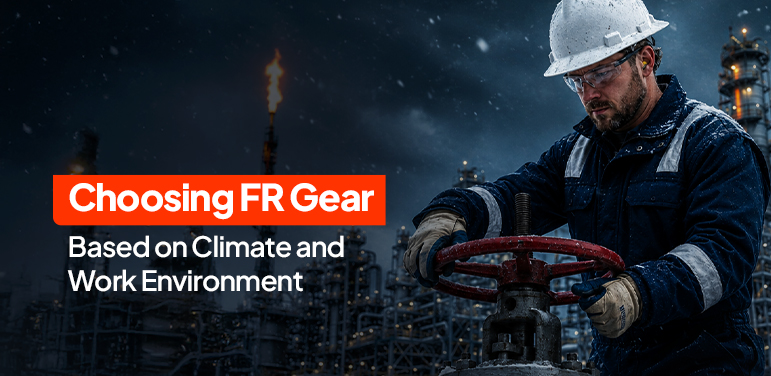
Choosing FR Gear Based on Climate and Work Environment
In high-risk industries such as oil & gas, utilities, construction, and manufacturing, flame-resistant (FR) clothing is more than just workwear—it’s a lifesaving barrier. Designed to protect against flash fires, arc flashes, and extreme heat, FR garments significantly reduce burn injuries and improve worker safety. However, selecting the right FR clothing isn’t just about compliance. Climate …
Read More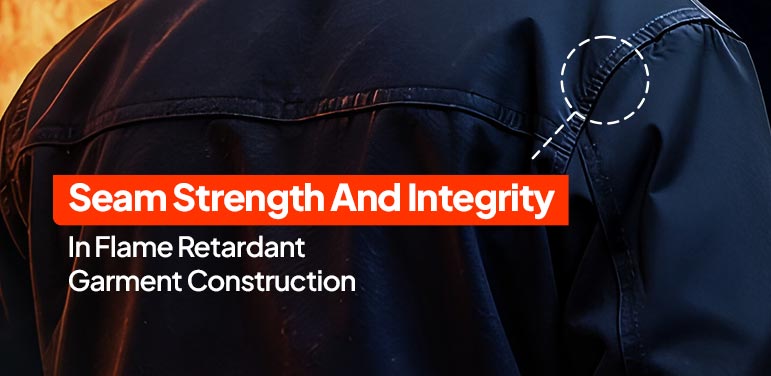
Seam Strength And Integrity In Flame Retardant Garment Construction
Safety is crucial in fire and heat exposure work areas. FR Garments made of flame-resistant (FR) fabrics provide essential protection, but the seams also play an important role. Workers in industries such as firefighting, oil and gas, and electrical utilities face significant risks from fire and heat exposure. In flame retardant (FR) garment construction, seam …
Read More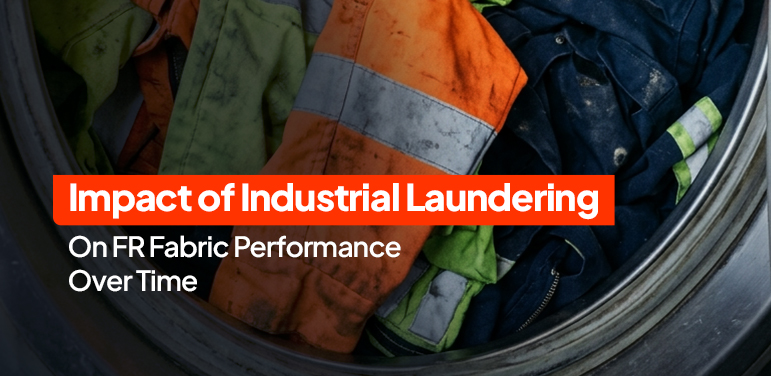
Impact of Industrial Laundering on FR Fabric Performance Over Time
Flame Resistant (FR) clothing is designed to protect workers from flash fire, arc flash, and heat hazards-but its performance over time depends heavily on how it is laundered. Industrial washing subjects garments to far more severe conditions than domestic laundering, and incorrect processes can compromise protection long before the end of the garments expected life. …
Read More
Nanotechnology in Flame-Resistant Textiles:
Introduction The global flame-retardant textile market, valued at USD 4.94 billion in 2024, is projected to reach USD 7.61 billion by 2035 (CAGR 4.01%). Conventional flame-retardant (FR) finishes rely on high chemical loading (15–30 wt%) that compromises fabric handle, breathability, and durability. Nanotechnology addresses these limitations by engineering ultra-thin, multifunctional coatings at the fiber surface. …
Read More
Championing Women’s Safety- Redefining Industry Standards
As we move through 2025, the drive for meaningful change across workplaces continues to accelerate. While industries evolve rapidly, there remains a pressing need to ensure that women have the resources, support, and inclusive environments necessary to succeed for leading the phase “Championing Women’s Safety”. Now more than ever, attention is turning to the tools …
Read More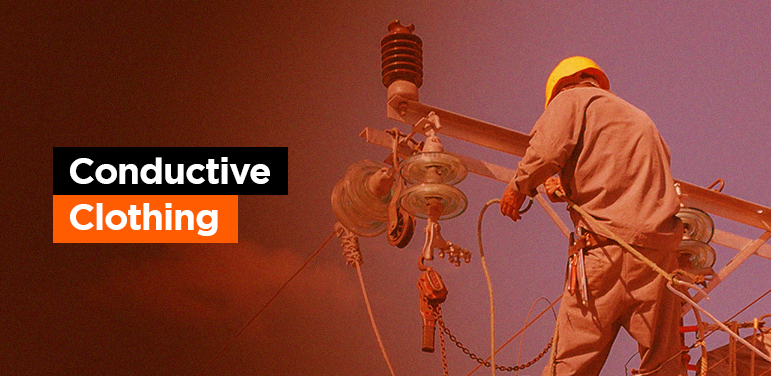
Conductive Clothing: A New Frontier in Electrical Safety
What is Conductive Clothing? Conductive clothing refers to garments that incorporate conductive materials – such as metallic fibers, conductive polymers, or carbon-based yarns – into textile structures. These garments are specifically engineered to control or redirect electrical currents in hazardous environments. Conductive clothing is made of natural or synthetic material with woven or knitted fabric …
Read More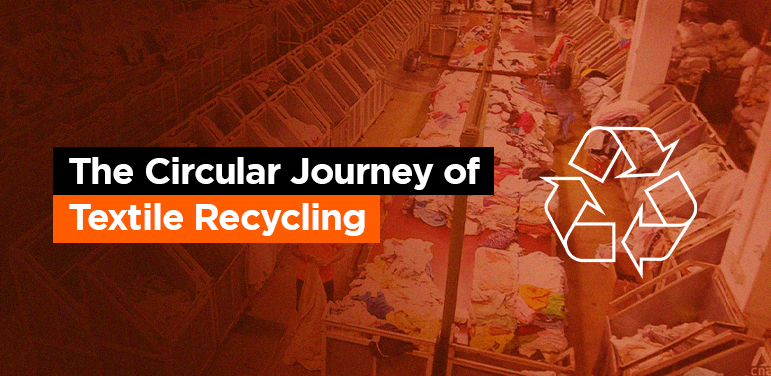
The Circular Journey of Textile Recycling
Why Recycle Textiles? The textile industry is a major contributor to global environmental pollution, affecting land, air, and marine ecosystems. The processes involved in apparel manufacturing chain significantly impact greenhouse gas (GHG) emissions in addition to water resources depletion. Of the 37.4 billion MT global CO2 emissions in 2023, roughly 1.2 billion MT were attributed …
Read More