
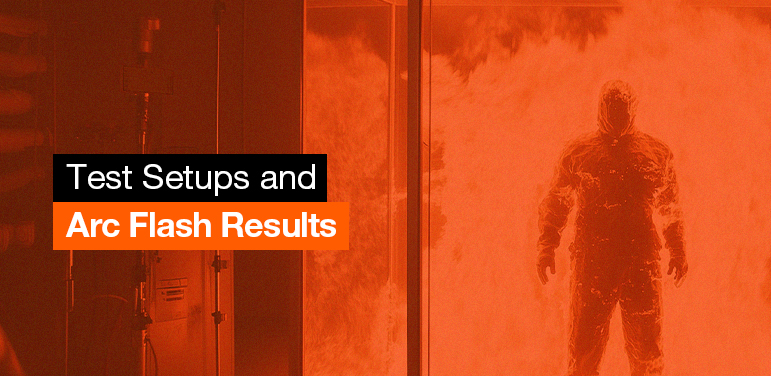
Introduction Understanding the effects of test setups and material testing parameters on arc flash results is vital for ensuring the safety of workers exposed to electrical hazards. The variability in heat transfer processes during arc flash events can significantly influence the arc ratings of personal protective equipment (PPE). This blog explores how different testing conditions …
Read More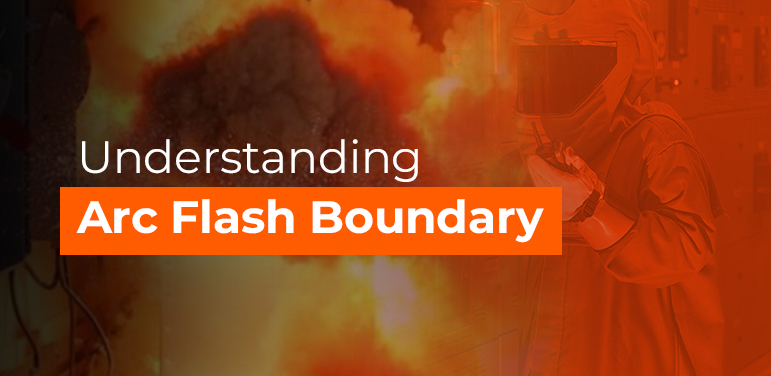
Arc Flash Boundary
Arc flash hazards can occur in any location where electrical equipment is present. Some common locations where arc flash hazards may be present include: Power generation facilities, such as power plants and substations Industrial facilities, such as factories and manufacturing plants Commercial buildings, such as office buildings and retail stores Data centres and other computer …
Read More
Understanding Arc Flash PPE Categories As Per NFPA 70E
Performance of risk assessment is pertinent before the commencement of any work. NFPA 70E: Standard for Electrical Safety in the Workplace sets out specific norms and regulations for the employer to ensure electrical safety and occupational health for the workers. Employee exposure to electrical hazards must be assessed and the subsequent risk control method must …
Read More
Compliance requirements of NFPA 2112 and NFPA 70E
Different conformity assessment requirements between the NFPA 2112 and NFPA 70E standards can make the testing process confusing for those working with Industrial Flame Resistant (FR) and Arc Rated (AR) products. Different questions arise while offering products for these 2 applications. So, it is important that we understand few points related to these norms: What …
Read More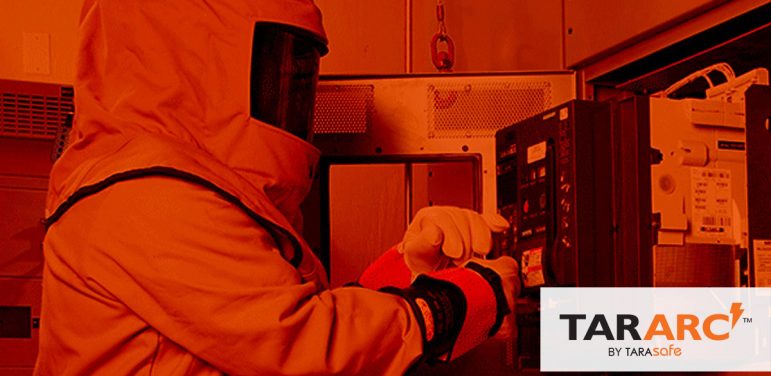
Catalogued range of Electric Arc Flash Protective Clothing
TarArc FR clothing by Tarasafe is a range of specially designed Arc Rated Protective clothing which will help insulate the wearer from heat, resist breaking open of garment and will not ignite or continue to burn when exposed to a high intensity short duration explosion and electric arc flash. The designing of the appropriate protective …
Read More