
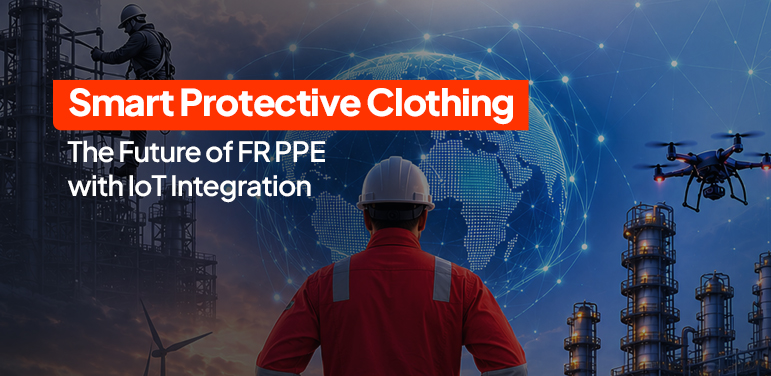
Smart protective clothing is transforming Flame-Resistant (FR) Personal Protective Equipment (PPE) from a passive barrier into an intelligent safety system. With the integration of Internet of Things (IoT) technologies and embedded sensors such as temperature, gas, motion, and biometric sensors modern PPE can continuously monitor environmental conditions and worker health. This enables early detection of hazards like excessive heat, toxic gases, or physical stress, extending protection beyond traditional material performance.
By incorporating wireless communication and real-time data analytics, smart FR PPE becomes part of a connected safety ecosystem. Data from garments can be transmitted to monitoring systems for instant alerts and predictive risk assessment. This shift from reactive protection to proactive safety management enhances situational awareness, reduces incident probability, and supports compliance in high-risk industries such as oil & gas, utilities, and manufacturing.
Purpose of Smart FR PPE
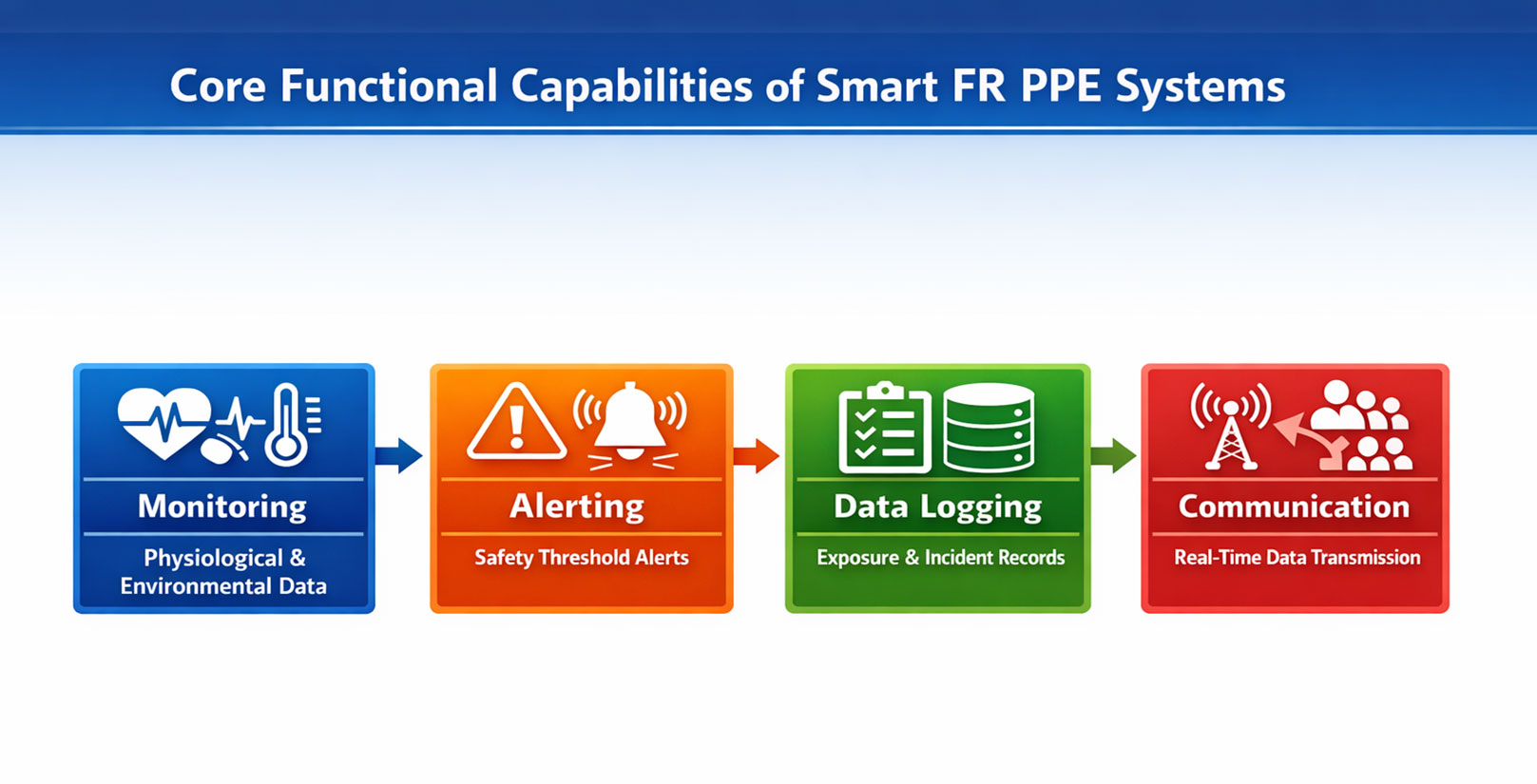
Conventional Flame-Resistant (FR) PPE is engineered to provide protection against thermal hazards such as flash fire, radiant heat, and electric arc through inherent or treated flame-resistant materials. However, its functionality is limited to passive protection during exposure events. Smart FR PPE extends this capability by integrating, sensing, processing, and communication systems into the garment architecture, enabling continuous monitoring of both environmental hazards and wearer physiology. This transforms FR clothing into an interactive safety system that supports real-time situational awareness, early risk detection, and data-driven decision-making in high-risk industrial operations.
Key Technologies in IoT-Integrated FR Clothing
Smart Sensor Systems
- Biometric Sensors: Monitor physiological stress indicators such as body temperature, heart rate, and respiration to detect heat stress or fatigue
- Environmental Sensors: Detect hazardous gases (e.g., CO, H₂S), temperature variations, and particulate exposure in industrial environments
- Motion Sensors: Accelerometers and gyroscopes track posture, movement, and fall events, critical for confined space and high-risk tasks
IoT Connectivity and Communication
Smart FR garments utilize Bluetooth Low Energy (BLE), Wi-Fi, LPWAN, or 5G for seamless data transmission. These systems enable integration with control rooms, handheld devices, and enterprise safety platforms, ensuring real-time monitoring across distributed worksites.
Data Processing and Analytics
Collected data is processed either via cloud platforms or edge computing modules embedded within the PPE. Advanced analytics and machine learning models enable:
- Pattern recognition of unsafe conditions
- Predictive alerts for fatigue or heat stress
- Long-term risk assessment and safety optimization
System Architecture: How Smart FR PPE Operates
Smart FR PPE functions as a multi-layered system:
- Data Acquisition Layer: Embedded sensors capture real-time physiological and environmental data
- Transmission Layer: Wireless modules transmit data to nearby gateways or centralized systems
- Processing Layer: Edge or cloud-based systems analyse incoming data using predefined algorithms or AI models
- Response Layer: Alerts are generated locally (vibration, LED, sound) and remotely (dashboard notifications, emergency triggers)
This closed-loop system ensures instant hazard detection and rapid response, minimizing exposure time and injury risk.
Smart FR PPE Configurations and Use Cases
Smart Helmets (FR-Compatible Systems)
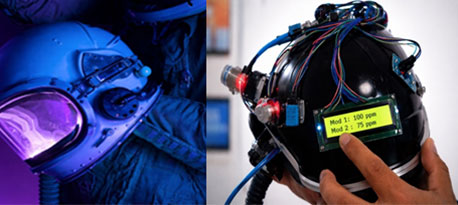
Equipped with gas sensors, thermal sensors, GPS, and communication modules, these helmets detect environmental hazards and provide real-time alerts in dynamic industrial settings such as oil & gas and construction.
Smart FR Vests and Coveralls
Integrated with flexible sensor modules, these garments monitor physiological parameters and thermal exposure. They are particularly effective in heat-intensive operations, where early detection of heat strain is critical.
Connected Eye and Face Protection
Augmented reality (AR)-enabled systems provide real-time hazard visualization, remote assistance, and digital workflow guidance without compromising FR compliance.
Specialized Wearables
- Smart safety footwear with fall detection and inactivity alerts
- Sensor-enabled patches for core temperature monitoring
- Advanced respiratory systems with integrated thermal imaging for firefighting applications
Industrial Applications
Smart FR PPE is increasingly deployed across high-risk sectors:
| AREAS | USES |
| Oil & Gas | Gas detection, explosion risk monitoring, and heat stress management |
| Electrical Utilities | Arc flash exposure monitoring and worker condition tracking |
| Firefighting | Thermal imaging integration and physiological monitoring under extreme conditions |
| Manufacturing | Air quality monitoring and ergonomic risk detection |
| Mining | Oxygen level monitoring, vibration exposure, and confined space safety |
TARASAFE Innovation- TARASECURE
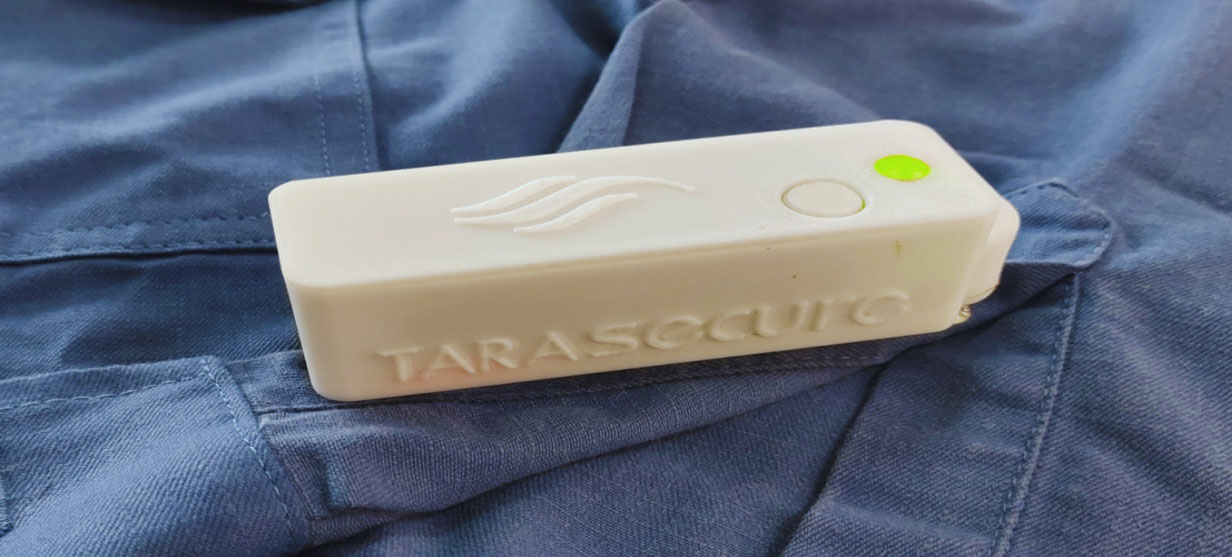
TaraSECURE™ a patented technology which deploys the bleeding edge sensor technology in the field of FR protection. It is a non-destructive means of checking the required performance levels after washing of FR clothing.
Advanced sensor technology, providing a non-destructive, real-time method to monitor wash compliance and detect exposure to performance-degrading agents ensuring sustained protective integrity
Impact on Safety, Compliance, and Productivity
Enhanced Safety Performance
Real-time hazard detection significantly reduces incident probability by enabling preventive intervention before exposure thresholds are exceeded.
Data-Driven Safety Management
Continuous data collection enables identification of recurring risks, facilitating process optimization, engineering controls, and targeted training programs.
Regulatory Compliance
Smart FR PPE supports adherence to standard such and ISO 45001 through automated data logging and digital audit trails.
Operational Efficiency
By minimizing downtime due to accidents and optimizing worker performance through fatigue monitoring, smart PPE contributes to improved productivity and workforce sustainability.
Future Trends in Smart FR PPE
AI-Driven Predictive Safety
Machine learning models will enable forecasting of incidents such as heat stress, fatigue, or hazardous exposure before they occur. Some of examples like Fire safety management software, mobile inspection apps, cloud-based data storage.
Smart Textiles and Embedded Electronics
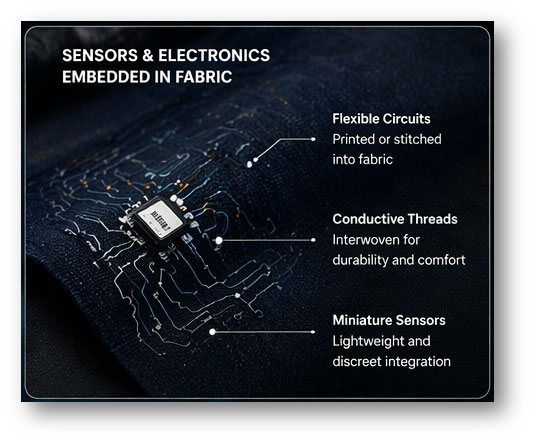
Development of sensor-integrated fibres and conductive textiles will eliminate bulky hardware, improving wearability and durability.
Edge Computing Integration
Localized processing will reduce latency, enabling instant decision-making in remote or connectivity-limited environments.
Full IoT Ecosystem Integration
Smart FR PPE will function as part of a broader industrial IoT ecosystem, integrating with digital twins, automated machinery, and centralized platforms for synchronized safety management.
Conclusion
The integration of IoT and sensor technologies into Flame-Resistant PPE represents a paradigm shift in industrial safety engineering. Smart FR clothing evolves beyond traditional hazard resistance to become a real-time monitoring, predictive, and responsive safety system. By combining advanced materials with digital intelligence, industries can transition from reactive safety practices to proactive risk mitigation, ultimately reducing incidents, improving compliance, and enhancing overall operational resilience.
Leave a Reply