

Smart protective clothing is transforming Flame-Resistant (FR) Personal Protective Equipment (PPE) from a passive barrier into an intelligent safety system. With the integration of Internet of Things (IoT) technologies and embedded sensors such as temperature, gas, motion, and biometric sensors modern PPE can continuously monitor environmental conditions and worker health. This enables early detection of …
Read More
Choosing FR Gear Based on Climate and Work Environment
In high-risk industries such as oil & gas, utilities, construction, and manufacturing, flame-resistant (FR) clothing is more than just workwear—it’s a lifesaving barrier. Designed to protect against flash fires, arc flashes, and extreme heat, FR garments significantly reduce burn injuries and improve worker safety. However, selecting the right FR clothing isn’t just about compliance. Climate …
Read More
Seam Strength And Integrity In Flame Retardant Garment Construction
Safety is crucial in fire and heat exposure work areas. FR Garments made of flame-resistant (FR) fabrics provide essential protection, but the seams also play an important role. Workers in industries such as firefighting, oil and gas, and electrical utilities face significant risks from fire and heat exposure. In flame retardant (FR) garment construction, seam …
Read More
Moisture Barrier Technologies in FR garments
Firefighters and industrial personnel exposed to flash fire or steam hazards depend on multilayer protective systems that provide thermal insulation, liquid resistance, and breathability. Among these layers, the moisture barrier is crucial- it ensures protection against external liquids while maintaining internal comfort through controlled vapour permeability – Moisture Barrier Technologies. Functional Role of the Moisture …
Read More
Conductive Clothing: A New Frontier in Electrical Safety
What is Conductive Clothing? Conductive clothing refers to garments that incorporate conductive materials – such as metallic fibers, conductive polymers, or carbon-based yarns – into textile structures. These garments are specifically engineered to control or redirect electrical currents in hazardous environments. Conductive clothing is made of natural or synthetic material with woven or knitted fabric …
Read More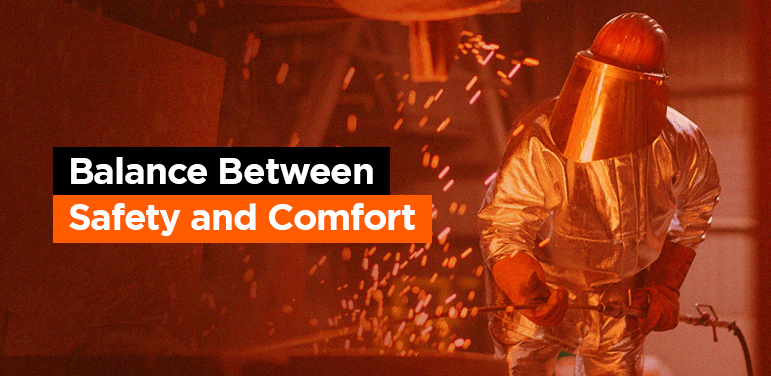
Boosting Comfort & Thermal Protection with Layered Fabric Technology
When it comes to protective clothing for high-risk industries, such as firefighting or electrical work, the balance between safety and comfort is crucial. Protection and comfort are, however, contradictory properties especially in the case of heat and flame protective clothing. There is a need to strike a balance between the garment’s heat and flame resistance …
Read More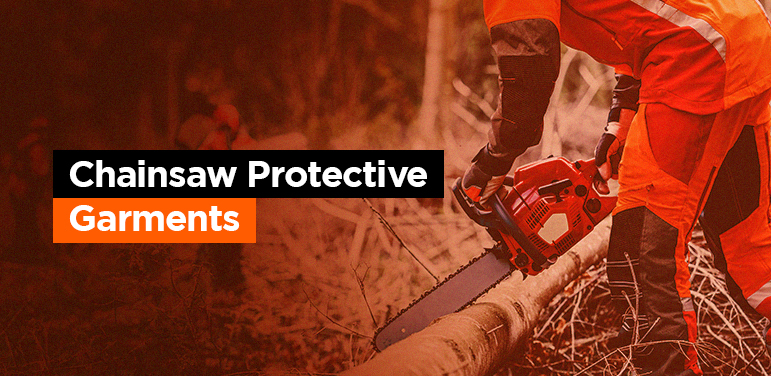
Chainsaw Protective Garments: Essential Safety Gear for Arborists and Forestry Workers
Chainsaw garments refer to protective clothing designed to safeguard workers from chainsaw-related injuries. The primary purpose of these garments is to protect the wearer against the cutting effect of a hand-held chainsaw. Clogging is the primary principle which leads to prevention of injury to a user from a hand-held chainsaw primarily constructed for cutting wood. …
Read More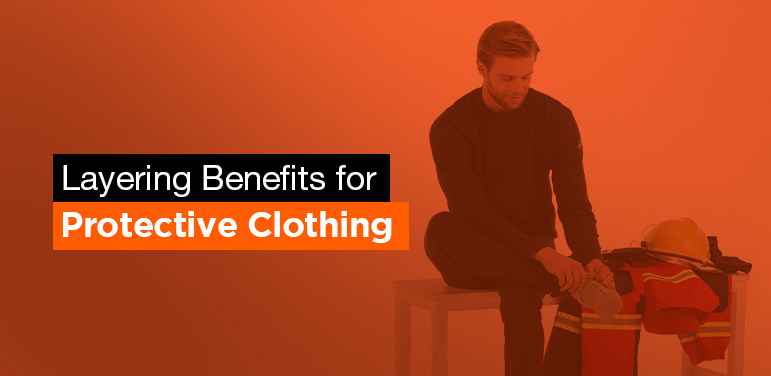
Benefits of Layering While Using FR Protective Clothing
Does it make good sense to use multiple layers of FR garments to protect against exposure to industrial heat and flame hazards, similar to the layering approach used in outdoor cold, rain & wind protective clothing? We will try to find out an answer to the above question in this blog. While it is a …
Read More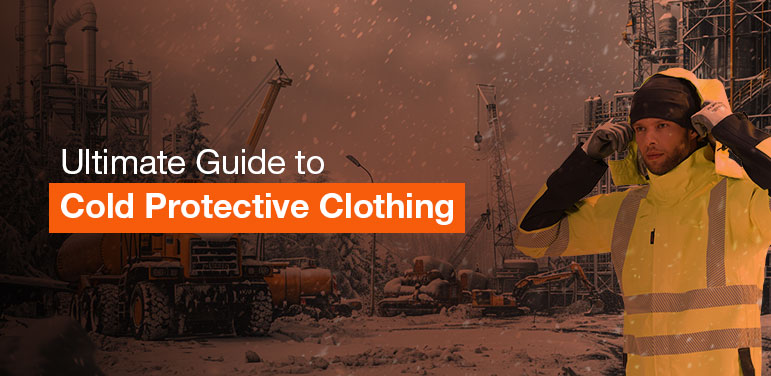
Braving the Chill: The Ultimate Guide to Cold Protective Clothing
When exposed to cold weather, the human body undergoes several physiological changes to maintain its core temperature and adapt to the cold environment. Cooling causes discomfort and impairs physical and mental performance in various ways. Frostbite, hypothermia, and other cold-related injuries can arise from prolonged exposure to cold atmospheric conditions. This can be sudden or …
Read More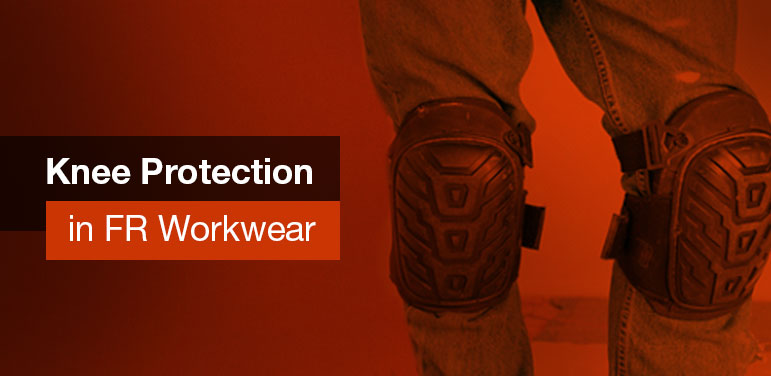
Knee Protection in FR Workwear
Knee protection is required in workplaces where workers are required to kneel for extended periods. This is because kneeling can put a lot of stress on the knees, and can lead to injuries such as osteoarthritis, tendinitis, and bursitis. Knee protection can help to reduce the risk of these injuries by providing cushioning and support …
Read More