
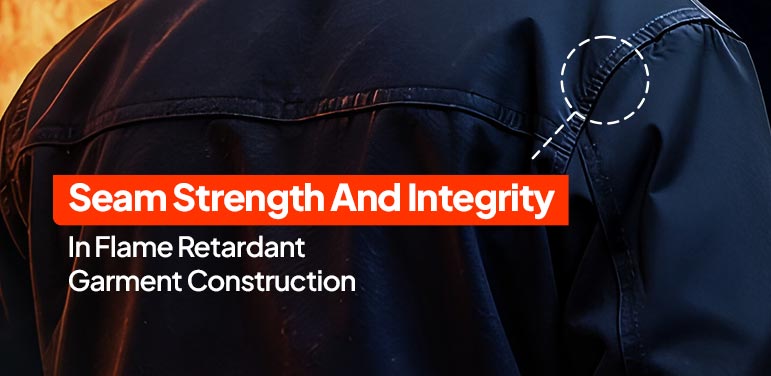
Safety is crucial in fire and heat exposure work areas. FR Garments made of flame-resistant (FR) fabrics provide essential protection, but the seams also play an important role. Workers in industries such as firefighting, oil and gas, and electrical utilities face significant risks from fire and heat exposure. In flame retardant (FR) garment construction, seam …
Read More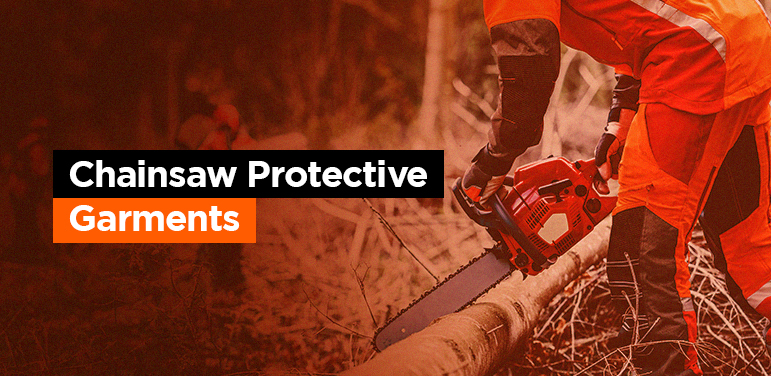
Chainsaw Protective Garments: Essential Safety Gear for Arborists and Forestry Workers
Chainsaw garments refer to protective clothing designed to safeguard workers from chainsaw-related injuries. The primary purpose of these garments is to protect the wearer against the cutting effect of a hand-held chainsaw. Clogging is the primary principle which leads to prevention of injury to a user from a hand-held chainsaw primarily constructed for cutting wood. …
Read More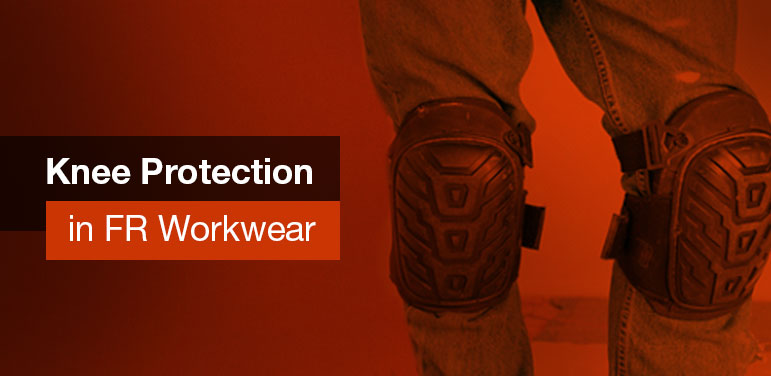
Knee Protection in FR Workwear
Knee protection is required in workplaces where workers are required to kneel for extended periods. This is because kneeling can put a lot of stress on the knees, and can lead to injuries such as osteoarthritis, tendinitis, and bursitis. Knee protection can help to reduce the risk of these injuries by providing cushioning and support …
Read More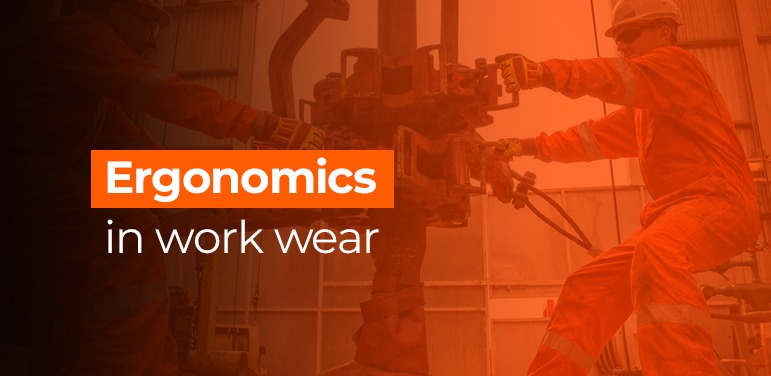
Ergonomics in work wear
As the name suggests, work wear is intended to be worn at a place of employment. Each workplace is unique, and work clothing should reflect this by being user-friendly. Additionally, we refer to the work wear’s ergonomics when we discuss how well it satisfies user needs. The environment in which the work wear will be …
Read More
NFPA 2112 Component Recognition and Certification explained
You may have heard about the Component recognition or wondered about supplying or purchasing certified components compliant to NFPA 2112. There could be circumstances when there is confusion or no clarity on how to go about with these requirements. In this first part of the blog, we will try to cover some common questions regarding …
Read More