
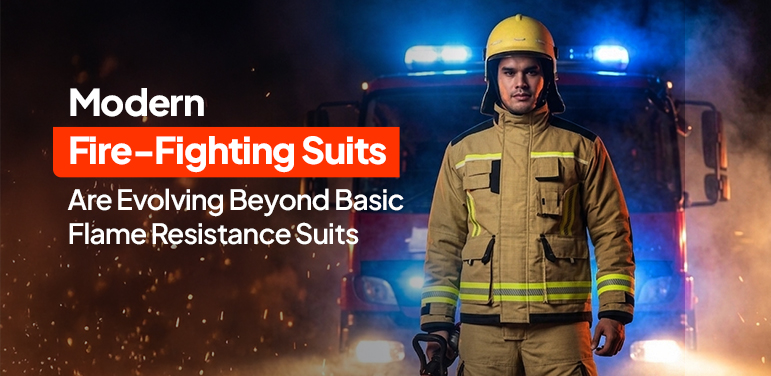
Firefighting has evolved significantly over the last few decades. Today’s firefighters are not only exposed to open flames but also to extreme radiant heat, toxic combustion products, carcinogenic particulates, flashover conditions, hazardous chemicals, structural collapse risks and physiological stress caused by prolonged exposure to high-temperature environments. As operational risks have become more complex, protective clothing …
Read More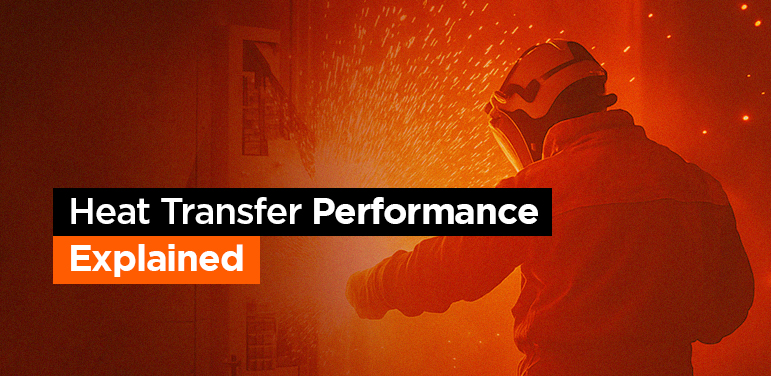
Heat Transfer Performance (HTP) Explained
NFPA 2112, the Standard on Flame-Resistant Clothing for Protection of Industrial Personnel against Short-Duration Thermal Exposures from Fire, outlines minimum performance requirements for garments designed to protect workers from flash fire hazards. One of the critical parameters in this standard is Heat Transfer Performance (HTP). HTP measures the ability of flame-resistant fabrics to resist heat …
Read More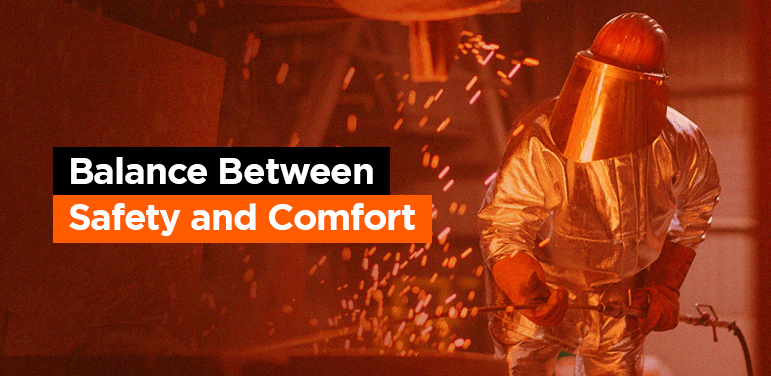
Boosting Comfort & Thermal Protection with Layered Fabric Technology
When it comes to protective clothing for high-risk industries, such as firefighting or electrical work, the balance between safety and comfort is crucial. Protection and comfort are, however, contradictory properties especially in the case of heat and flame protective clothing. There is a need to strike a balance between the garment’s heat and flame resistance …
Read More
Aerogels in Textiles: The Secret to Ultra-Light, High-Performance Fabrics
Background Aerogels, discovered in the late 1930s by chemist Samuel S. Kistler, are fascinating materials known for their light, airy, and translucent appearance and are considered one of the finest insulation materials available today. Aerogels have pores in the range of less than 100 nm in diameter. This morphology results in an ultra-low-density (about 0.0011 …
Read More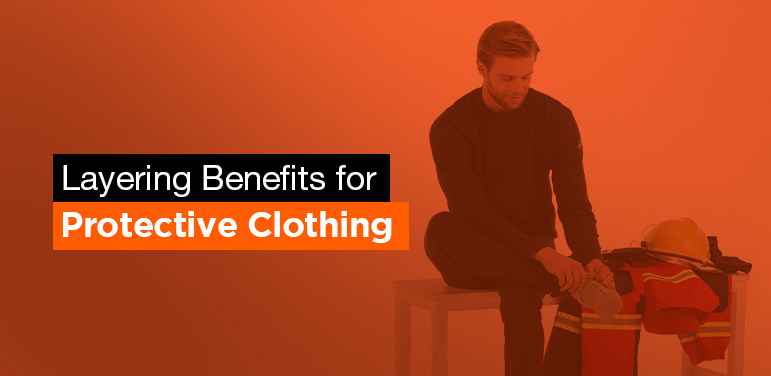
Benefits of Layering While Using FR Protective Clothing
Does it make good sense to use multiple layers of FR garments to protect against exposure to industrial heat and flame hazards, similar to the layering approach used in outdoor cold, rain & wind protective clothing? We will try to find out an answer to the above question in this blog. While it is a …
Read More
Thermal Protection Performance of Flame Retardant Textiles against Convective Heat Exposure: Effect of Fabric Composition and Weight
Thermal protective clothing is designed to provide protection from thermal hazards which include exposure to open flames, hot liquids and gases, high temperature radiant sources, hot solids and surfaces, etc. In the event of an exposure heat transfer from the thermal hazards can occur by radiation, convection or conduction, or a combination thereof. Modes Of …
Read More
Effect of Moisture on Thermal Protection Performance of Firefighter Clothing
Firefighter clothing stands as a crucial line of defense against the intense heat and flames encountered on the front lines. However, the efficacy of thermal protection performance (TPP) in these garments is not immune to the influence of moisture, whether it be from sweat, rain, water spray, or steam. While it is well-established that wet …
Read More
Stoll Curve and its Significance in Heat and Flame Protection
The human skin is very sensitive to temperature. When the skin temperature reaches 45°C, the person will have a burning feeling. When the temperature reaches 72°C, it will cause second-degree burns to the skin. Alice Stoll and Maria Chianta in the latter half of 1960s, conducted a series of experiments on live, anesthetized test subjects. …
Read More