
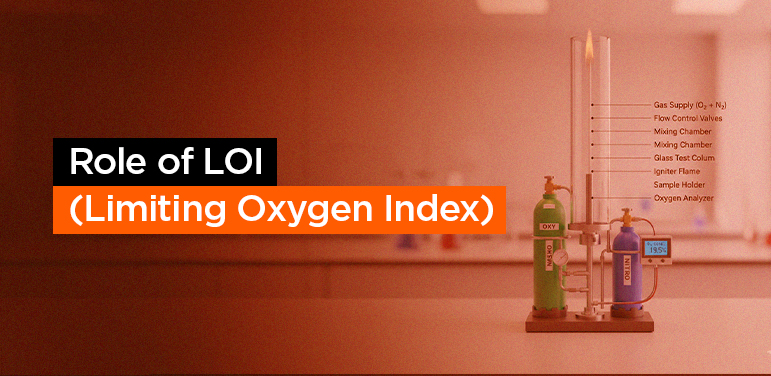
We live in a world surrounded by textiles- from the clothes we wear to the furnishings in our homes and workplaces. While these materials add comfort and functionality to our lives, they also pose a potential fire hazard. Understanding how fabrics respond to fire is paramount for safety, and a key metric in this understanding …
Read More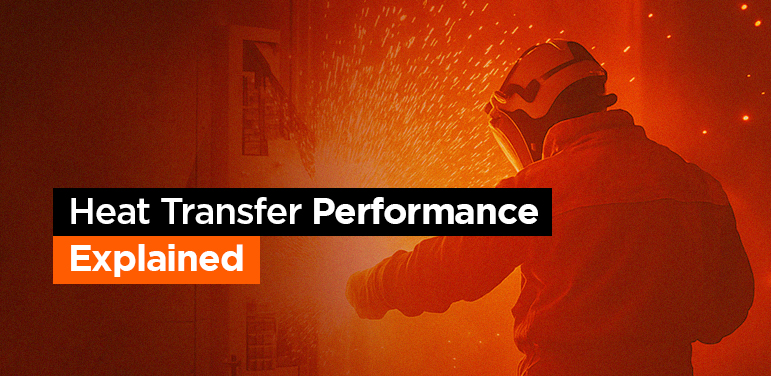
Heat Transfer Performance (HTP) Explained
NFPA 2112, the Standard on Flame-Resistant Clothing for Protection of Industrial Personnel against Short-Duration Thermal Exposures from Fire, outlines minimum performance requirements for garments designed to protect workers from flash fire hazards. One of the critical parameters in this standard is Heat Transfer Performance (HTP). HTP measures the ability of flame-resistant fabrics to resist heat …
Read More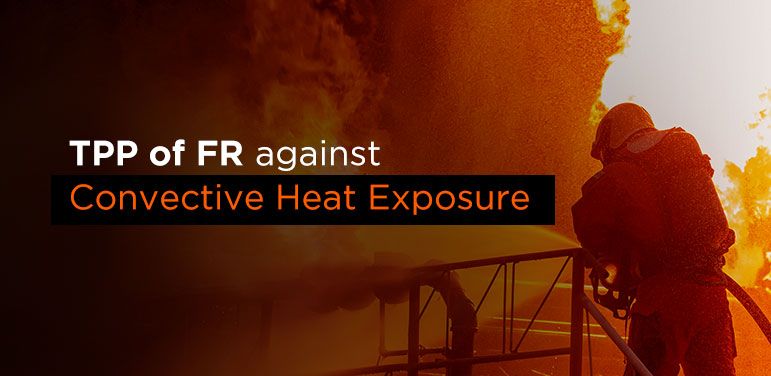
Thermal Protection Performance of Flame Retardant Textiles against Convective Heat Exposure: Effect of Fabric Composition and Weight
Thermal protective clothing is designed to provide protection from thermal hazards which include exposure to open flames, hot liquids and gases, high temperature radiant sources, hot solids and surfaces, etc. In the event of an exposure heat transfer from the thermal hazards can occur by radiation, convection or conduction, or a combination thereof. Modes Of …
Read More
Durability of Treated Cotton Flame Retardant Fabric
Flame-retardant (FR) fabrics are available in two categories: The treated FR where 100% cotton or cotton rich fabric is treated with phosphorus-based compounds to achieve fire resistance. The inherent FR, where the fibers are engineered to have a chemical composition which resists the propagation and sustenance of fire. Several technologies are in existence for producing …
Read More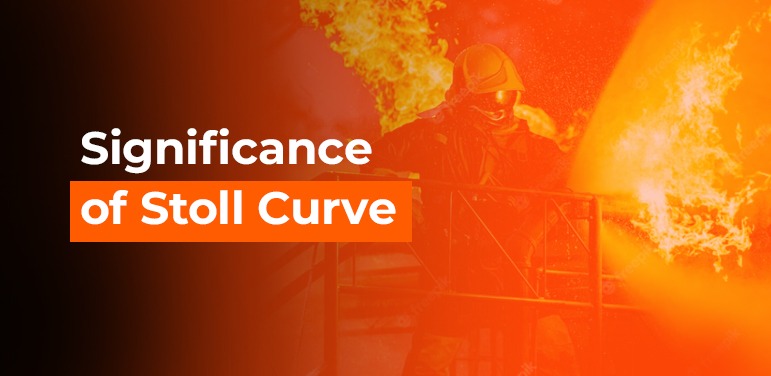
Stoll Curve and its Significance in Heat and Flame Protection
The human skin is very sensitive to temperature. When the skin temperature reaches 45°C, the person will have a burning feeling. When the temperature reaches 72°C, it will cause second-degree burns to the skin. Alice Stoll and Maria Chianta in the latter half of 1960s, conducted a series of experiments on live, anesthetized test subjects. …
Read More