
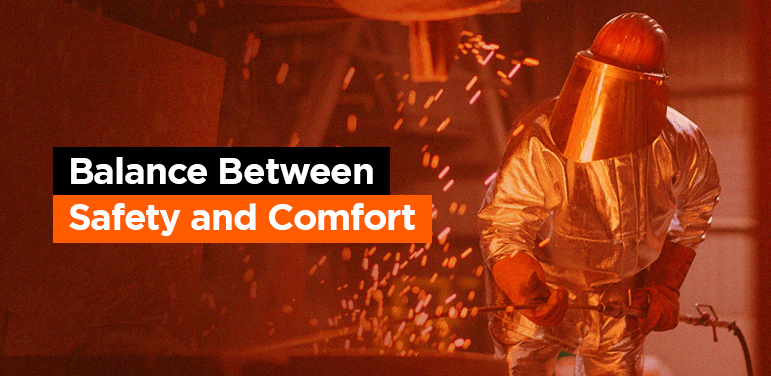
When it comes to protective clothing for high-risk industries, such as firefighting or electrical work, the balance between safety and comfort is crucial. Protection and comfort are, however, contradictory properties especially in the case of heat and flame protective clothing. There is a need to strike a balance between the garment’s heat and flame resistance …
Read More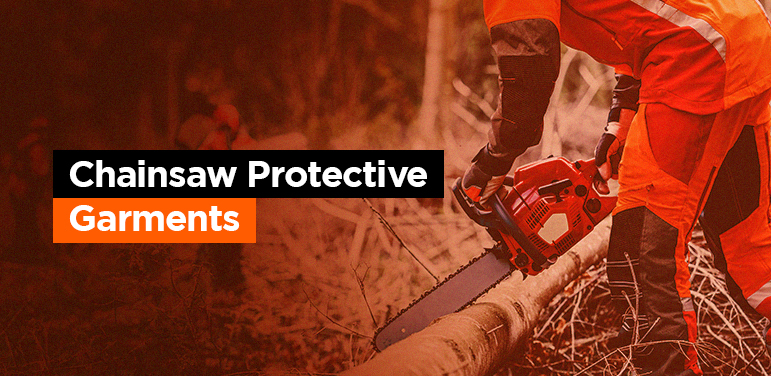
Chainsaw Protective Garments: Essential Safety Gear for Arborists and Forestry Workers
Chainsaw garments refer to protective clothing designed to safeguard workers from chainsaw-related injuries. The primary purpose of these garments is to protect the wearer against the cutting effect of a hand-held chainsaw. Clogging is the primary principle which leads to prevention of injury to a user from a hand-held chainsaw primarily constructed for cutting wood. …
Read More
Aerogels in Textiles: The Secret to Ultra-Light, High-Performance Fabrics
Background Aerogels, discovered in the late 1930s by chemist Samuel S. Kistler, are fascinating materials known for their light, airy, and translucent appearance and are considered one of the finest insulation materials available today. Aerogels have pores in the range of less than 100 nm in diameter. This morphology results in an ultra-low-density (about 0.0011 …
Read More
PFAS – What It Means, Safety Concerns, Regulations & PFAS-free Alternatives
What Are PFAS? PFAS stands for Per- and Poly- Fluorinated Alkyl Substances. PFAS are a large group of complex synthetic chemicals that have been used in the industry and consumer products around the world since the 1950s. They are used to give water, oil, and dirt repellent effect in various everyday products such as non-stick …
Read More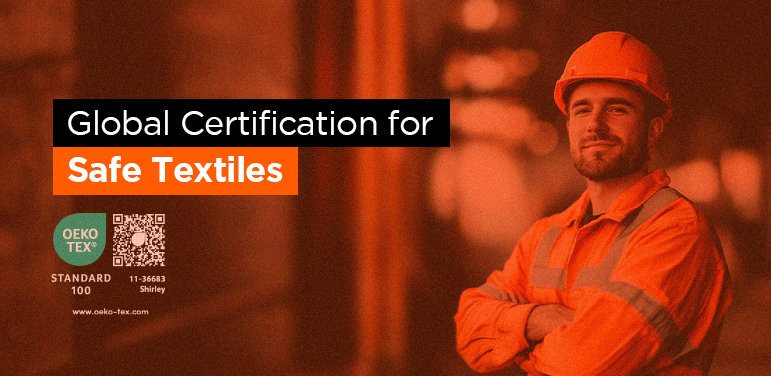
OEKO-TEX® Standard 100: A Global Certification for Safe Textiles
As awareness grows about the impact of chemicals and hazardous substances on human health and the environment, consumers are increasingly seeking assurances about the safety and sustainability of the products they buy. The OEKO – TEX® STANDARD 100 certification assures that textiles are free from harmful chemicals, including potentially toxic flame retardants, which could pose …
Read More
Variation in Arc-Flash Test Results
Introduction Understanding the effects of test setups and material testing parameters on arc flash results is vital for ensuring the safety of workers exposed to electrical hazards. The variability in heat transfer processes during arc flash events can significantly influence the arc ratings of personal protective equipment (PPE). This blog explores how different testing conditions …
Read More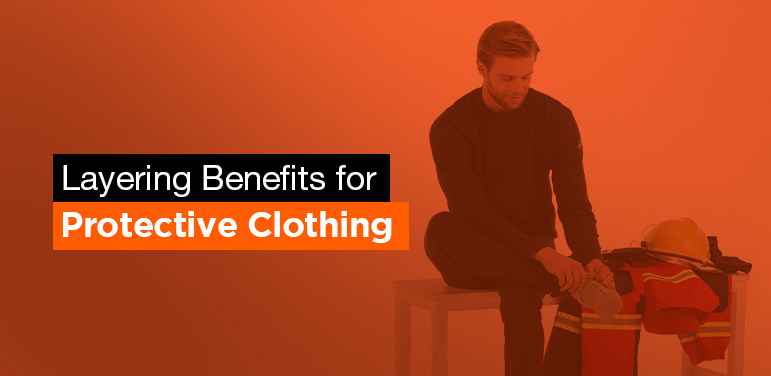
Benefits of Layering While Using FR Protective Clothing
Does it make good sense to use multiple layers of FR garments to protect against exposure to industrial heat and flame hazards, similar to the layering approach used in outdoor cold, rain & wind protective clothing? We will try to find out an answer to the above question in this blog. While it is a …
Read More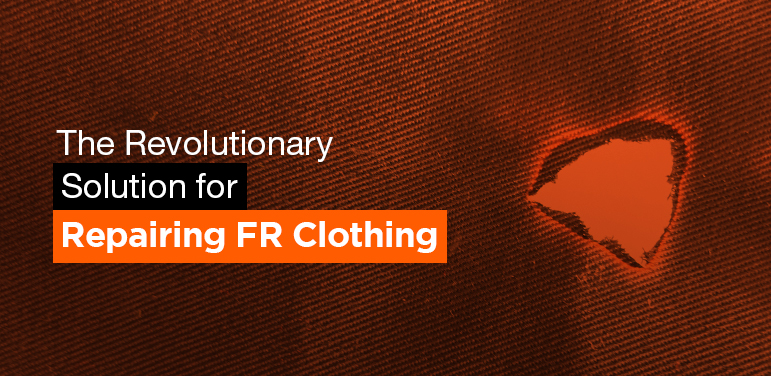
Unlocking Safety: Introducing TaraHEAL® – The Revolutionary Solution for Repairing FR Clothing
Introduction In the realm of safety, fire-resistant (FR) clothing stands as a stalwart guardian, offering unparalleled protection against fire and heat hazards. Unlike regular clothing, FR garments are engineered to withstand the rigors of harsh environments, resisting ignition, melting, tearing, and providing vital thermal insulation. However, ensuring the longevity and effectiveness of FR clothing necessitates …
Read More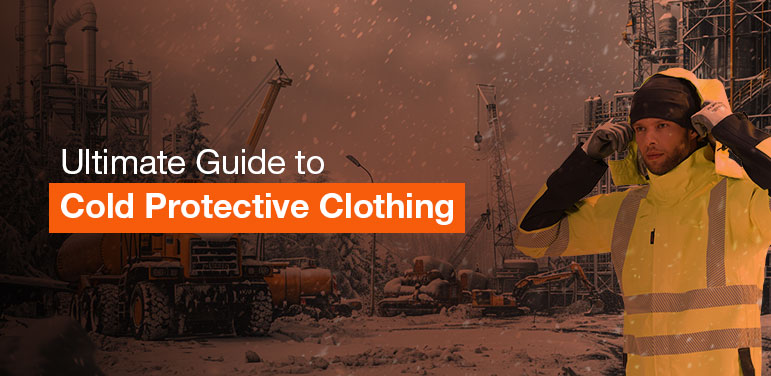
Braving the Chill: The Ultimate Guide to Cold Protective Clothing
When exposed to cold weather, the human body undergoes several physiological changes to maintain its core temperature and adapt to the cold environment. Cooling causes discomfort and impairs physical and mental performance in various ways. Frostbite, hypothermia, and other cold-related injuries can arise from prolonged exposure to cold atmospheric conditions. This can be sudden or …
Read More
Global Recycled Standard (GRS)
In a world where environmental concerns are at the forefront of every discussion, the textile industry is one of the largest polluters in the world, contributing to environmental degradation and exploiting workers in the process. As consumers become increasingly aware of these issues, sustainable practices become critically important for stakeholders across the textile manufacturing & …
Read More