
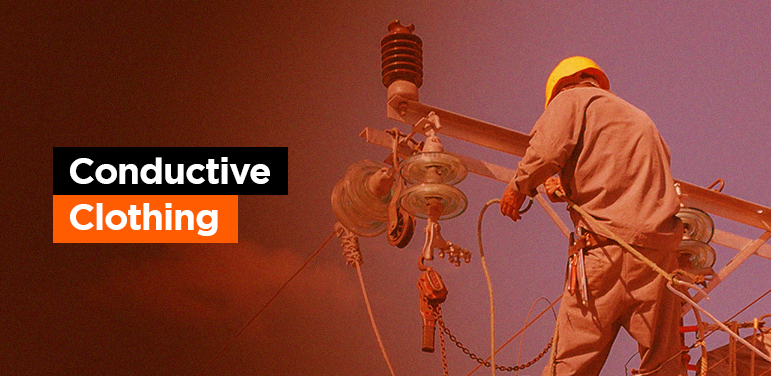
What is Conductive Clothing? Conductive clothing refers to garments that incorporate conductive materials – such as metallic fibers, conductive polymers, or carbon-based yarns – into textile structures. These garments are specifically engineered to control or redirect electrical currents in hazardous environments. Conductive clothing is made of natural or synthetic material with woven or knitted fabric …
Read More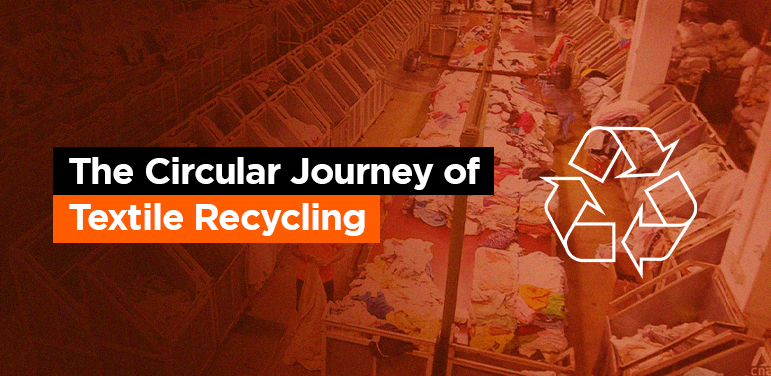
The Circular Journey of Textile Recycling
Why Recycle Textiles? The textile industry is a major contributor to global environmental pollution, affecting land, air, and marine ecosystems. The processes involved in apparel manufacturing chain significantly impact greenhouse gas (GHG) emissions in addition to water resources depletion. Of the 37.4 billion MT global CO2 emissions in 2023, roughly 1.2 billion MT were attributed …
Read More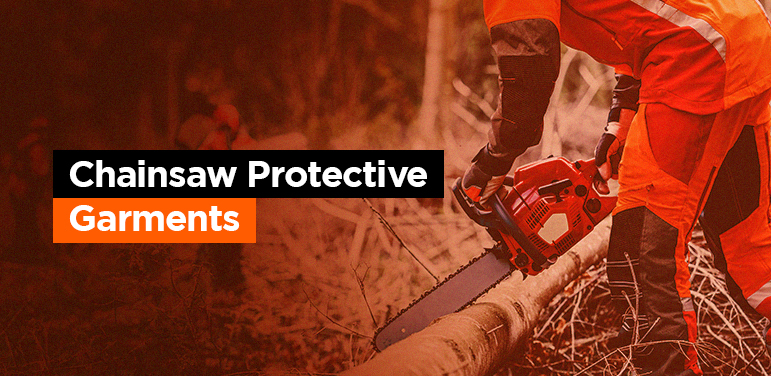
Chainsaw Protective Garments: Essential Safety Gear for Arborists and Forestry Workers
Chainsaw garments refer to protective clothing designed to safeguard workers from chainsaw-related injuries. The primary purpose of these garments is to protect the wearer against the cutting effect of a hand-held chainsaw. Clogging is the primary principle which leads to prevention of injury to a user from a hand-held chainsaw primarily constructed for cutting wood. …
Read More
Aerogels in Textiles: The Secret to Ultra-Light, High-Performance Fabrics
Background Aerogels, discovered in the late 1930s by chemist Samuel S. Kistler, are fascinating materials known for their light, airy, and translucent appearance and are considered one of the finest insulation materials available today. Aerogels have pores in the range of less than 100 nm in diameter. This morphology results in an ultra-low-density (about 0.0011 …
Read More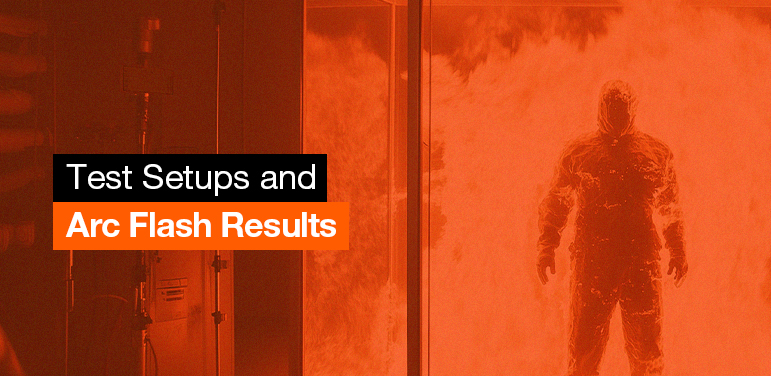
Variation in Arc-Flash Test Results
Introduction Understanding the effects of test setups and material testing parameters on arc flash results is vital for ensuring the safety of workers exposed to electrical hazards. The variability in heat transfer processes during arc flash events can significantly influence the arc ratings of personal protective equipment (PPE). This blog explores how different testing conditions …
Read More
Benefits of Layering While Using FR Protective Clothing
Does it make good sense to use multiple layers of FR garments to protect against exposure to industrial heat and flame hazards, similar to the layering approach used in outdoor cold, rain & wind protective clothing? We will try to find out an answer to the above question in this blog. While it is a …
Read More
BCI’s Role in Revolutionizing Sustainable Cotton Farming
Better Cotton is the world’s leading sustainability initiative for cotton. The Better Cotton Initiative (BCI) is a global non-profit organization that aims to make cotton production more sustainable by addressing environmental, social, and economic challenges associated with conventional cotton farming. It was founded in 2005 with the support of some visionary organizations such as Adidas, …
Read More
Flame Resistant (FR) and Arc rated (AR) Clothing
Flame Resistant (FR) and Arc rated (AR) Clothing, these 2 terminologies are very often being heard about in the PPE industry today. As per NFPA70E, what was earlier referred to as Flame resistant (FR) clothing is now called Arc Rated (AR) clothing. A simple note defines the difference between these 2 terms – ALL clothing …
Read More