

Smart protective clothing is transforming Flame-Resistant (FR) Personal Protective Equipment (PPE) from a passive barrier into an intelligent safety system. With the integration of Internet of Things (IoT) technologies and embedded sensors such as temperature, gas, motion, and biometric sensors modern PPE can continuously monitor environmental conditions and worker health. This enables early detection of …
Read More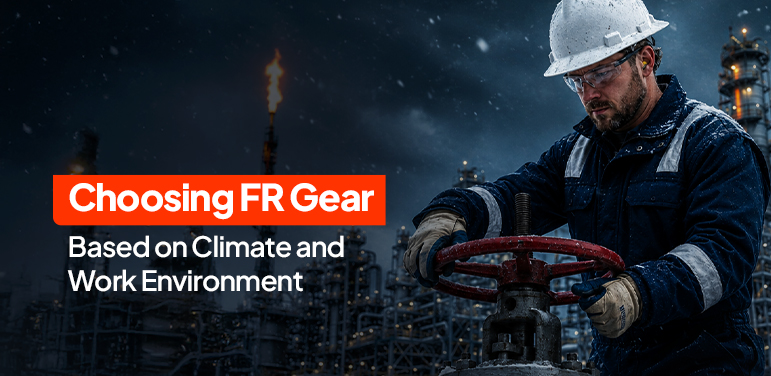
Choosing FR Gear Based on Climate and Work Environment
In high-risk industries such as oil & gas, utilities, construction, and manufacturing, flame-resistant (FR) clothing is more than just workwear—it’s a lifesaving barrier. Designed to protect against flash fires, arc flashes, and extreme heat, FR garments significantly reduce burn injuries and improve worker safety. However, selecting the right FR clothing isn’t just about compliance. Climate …
Read More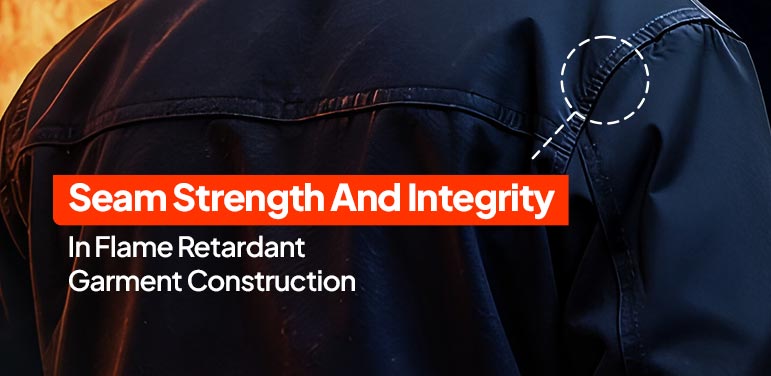
Seam Strength And Integrity In Flame Retardant Garment Construction
Safety is crucial in fire and heat exposure work areas. FR Garments made of flame-resistant (FR) fabrics provide essential protection, but the seams also play an important role. Workers in industries such as firefighting, oil and gas, and electrical utilities face significant risks from fire and heat exposure. In flame retardant (FR) garment construction, seam …
Read More
Nanotechnology in Flame-Resistant Textiles:
Introduction The global flame-retardant textile market, valued at USD 4.94 billion in 2024, is projected to reach USD 7.61 billion by 2035 (CAGR 4.01%). Conventional flame-retardant (FR) finishes rely on high chemical loading (15–30 wt%) that compromises fabric handle, breathability, and durability. Nanotechnology addresses these limitations by engineering ultra-thin, multifunctional coatings at the fiber surface. …
Read More