
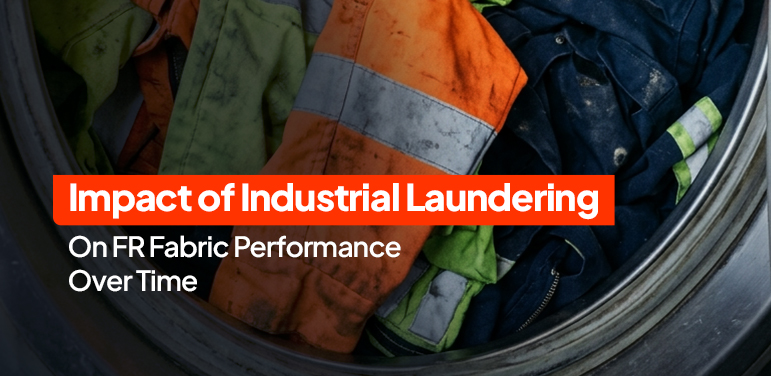
Flame Resistant (FR) clothing is designed to protect workers from flash fire, arc flash, and heat hazards-but its performance over time depends heavily on how it is laundered. Industrial washing subjects garments to far more severe conditions than domestic laundering, and incorrect processes can compromise protection long before the end of the garments expected life. …
Read More
Nanotechnology in Flame-Resistant Textiles:
Introduction The global flame-retardant textile market, valued at USD 4.94 billion in 2024, is projected to reach USD 7.61 billion by 2035 (CAGR 4.01%). Conventional flame-retardant (FR) finishes rely on high chemical loading (15–30 wt%) that compromises fabric handle, breathability, and durability. Nanotechnology addresses these limitations by engineering ultra-thin, multifunctional coatings at the fiber surface. …
Read More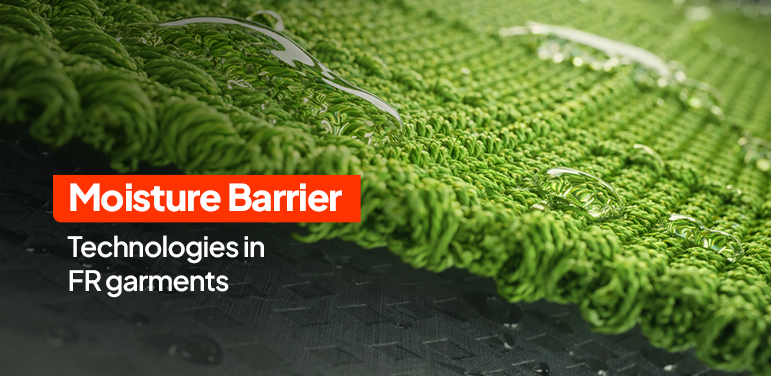
Moisture Barrier Technologies in FR garments
Firefighters and industrial personnel exposed to flash fire or steam hazards depend on multilayer protective systems that provide thermal insulation, liquid resistance, and breathability. Among these layers, the moisture barrier is crucial- it ensures protection against external liquids while maintaining internal comfort through controlled vapour permeability – Moisture Barrier Technologies. Functional Role of the Moisture …
Read More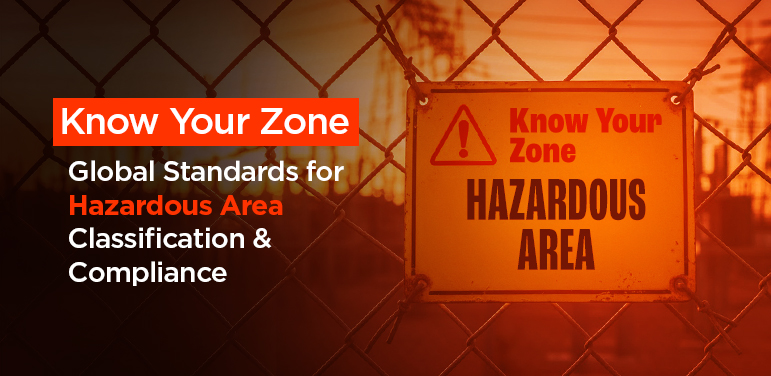
Know Your Zone: Global Standards for Hazardous Area Classification and Compliance
In industries handling flammable gases, vapours, liquids, or combustible dust, ensuring workplace safety begins with understanding hazardous area classifications. These classifications provide a structured way to assess risk, select the right equipment, and comply with international safety standards. Let’s explore how zones are defined, the standards that govern them, and what businesses need to consider …
Read More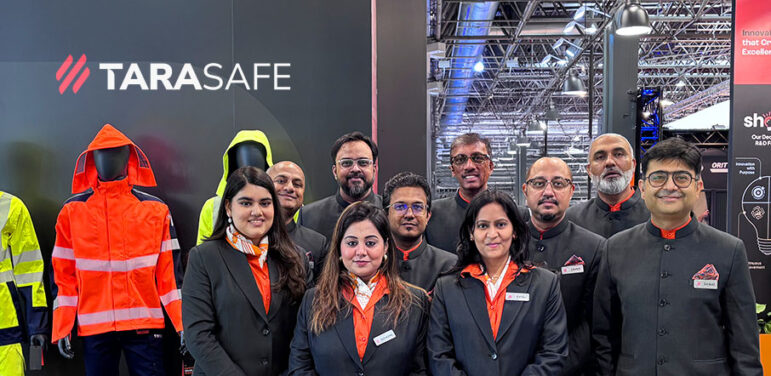
Tarasafe’s Triumphant A+A 2025: A Landmark Chapter in Global Safety
DÜSSELDORF, GERMANY – Following four highly impactful days, Tarasafe International Pvt Ltd concluded its participation in AplusA 2025, marking its most successful exhibition in its long history with the esteemed event. The fair served as the ceremonial launchpad for a comprehensively reimagined brand identity and a revolutionary suite of flame-resistant (FR) protective solutions. The Evolution …
Read More
Heat Transfer Performance (HTP) Explained
NFPA 2112, the Standard on Flame-Resistant Clothing for Protection of Industrial Personnel against Short-Duration Thermal Exposures from Fire, outlines minimum performance requirements for garments designed to protect workers from flash fire hazards. One of the critical parameters in this standard is Heat Transfer Performance (HTP). HTP measures the ability of flame-resistant fabrics to resist heat …
Read More
Stoll Curve and its Significance in Heat and Flame Protection
The human skin is very sensitive to temperature. When the skin temperature reaches 45°C, the person will have a burning feeling. When the temperature reaches 72°C, it will cause second-degree burns to the skin. Alice Stoll and Maria Chianta in the latter half of 1960s, conducted a series of experiments on live, anesthetized test subjects. …
Read More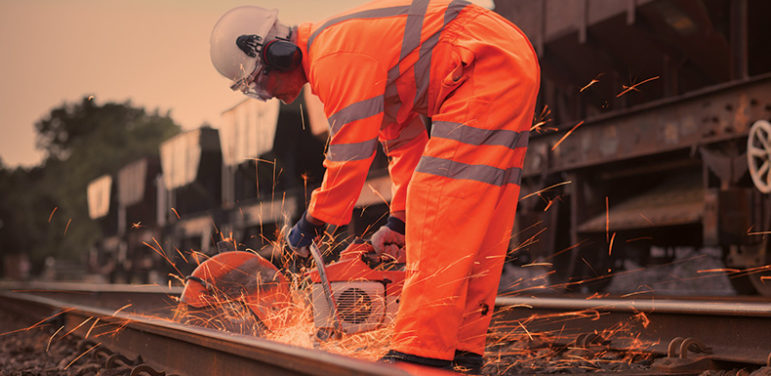
Importance of Fire Resistant Clothing
If you’ve never witnessed open fires, potentially sparking objects, and other flaming items, it can be difficult to fully appreciate just how important it is to be fully protected by fire resistant clothing on the job. The direct injuries caused by the flames themselves can certainly be serious. But due to the relatively short duration …
Read More
Evolution of FR Clothing
“Necessity is the mother of invention.†The famous proverb befits the case of the evolution of Flame Resistant Protective clothing. Protective clothing has been in existence since the time before Christ when the kingdoms and dynasties like Greeks and Persians had forged war. People wore mechanized garments which would stand tough and sturdy in difficult times. …
Read More