
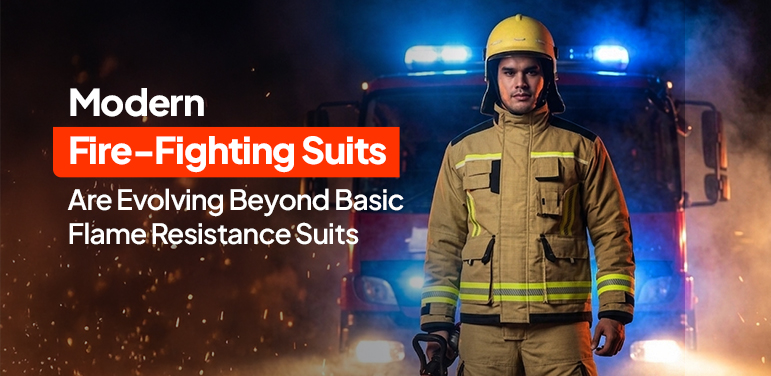
Firefighting has evolved significantly over the last few decades. Today’s firefighters are not only exposed to open flames but also to extreme radiant heat, toxic combustion products, carcinogenic particulates, flashover conditions, hazardous chemicals, structural collapse risks and physiological stress caused by prolonged exposure to high-temperature environments. As operational risks have become more complex, protective clothing …
Read More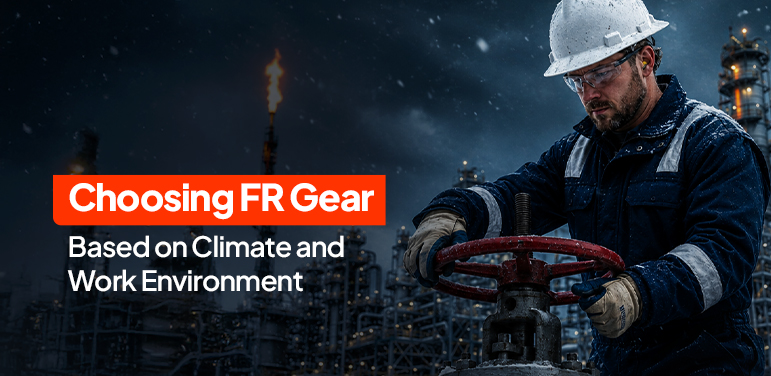
Choosing FR Gear Based on Climate and Work Environment
In high-risk industries such as oil & gas, utilities, construction, and manufacturing, flame-resistant (FR) clothing is more than just workwear—it’s a lifesaving barrier. Designed to protect against flash fires, arc flashes, and extreme heat, FR garments significantly reduce burn injuries and improve worker safety. However, selecting the right FR clothing isn’t just about compliance. Climate …
Read More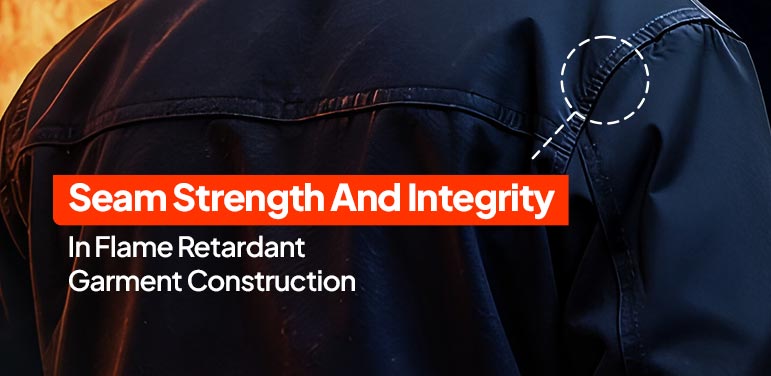
Seam Strength And Integrity In Flame Retardant Garment Construction
Safety is crucial in fire and heat exposure work areas. FR Garments made of flame-resistant (FR) fabrics provide essential protection, but the seams also play an important role. Workers in industries such as firefighting, oil and gas, and electrical utilities face significant risks from fire and heat exposure. In flame retardant (FR) garment construction, seam …
Read More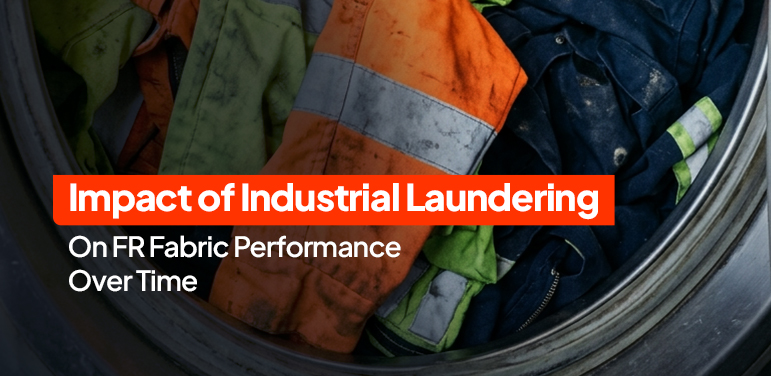
Impact of Industrial Laundering on FR Fabric Performance Over Time
Flame Resistant (FR) clothing is designed to protect workers from flash fire, arc flash, and heat hazards-but its performance over time depends heavily on how it is laundered. Industrial washing subjects garments to far more severe conditions than domestic laundering, and incorrect processes can compromise protection long before the end of the garments expected life. …
Read More
Nanotechnology in Flame-Resistant Textiles:
Introduction The global flame-retardant textile market, valued at USD 4.94 billion in 2024, is projected to reach USD 7.61 billion by 2035 (CAGR 4.01%). Conventional flame-retardant (FR) finishes rely on high chemical loading (15–30 wt%) that compromises fabric handle, breathability, and durability. Nanotechnology addresses these limitations by engineering ultra-thin, multifunctional coatings at the fiber surface. …
Read More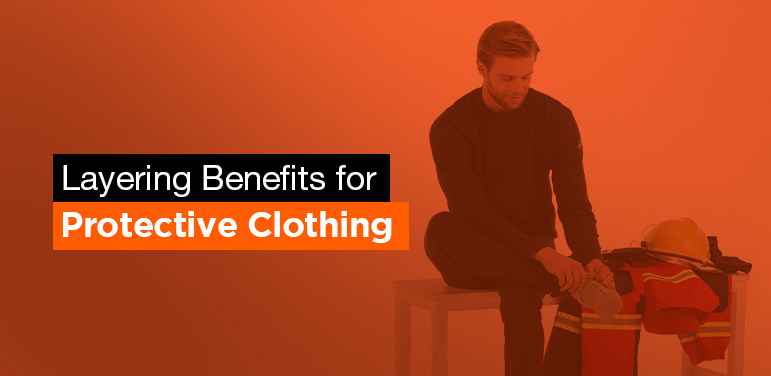
Benefits of Layering While Using FR Protective Clothing
Does it make good sense to use multiple layers of FR garments to protect against exposure to industrial heat and flame hazards, similar to the layering approach used in outdoor cold, rain & wind protective clothing? We will try to find out an answer to the above question in this blog. While it is a …
Read More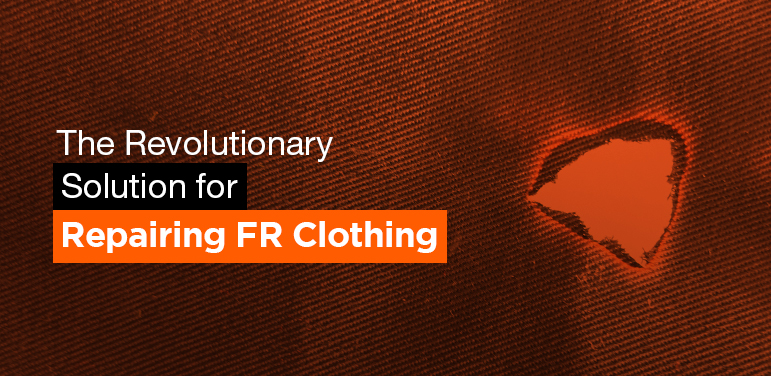
Unlocking Safety: Introducing TaraHEAL® – The Revolutionary Solution for Repairing FR Clothing
Introduction In the realm of safety, fire-resistant (FR) clothing stands as a stalwart guardian, offering unparalleled protection against fire and heat hazards. Unlike regular clothing, FR garments are engineered to withstand the rigors of harsh environments, resisting ignition, melting, tearing, and providing vital thermal insulation. However, ensuring the longevity and effectiveness of FR clothing necessitates …
Read More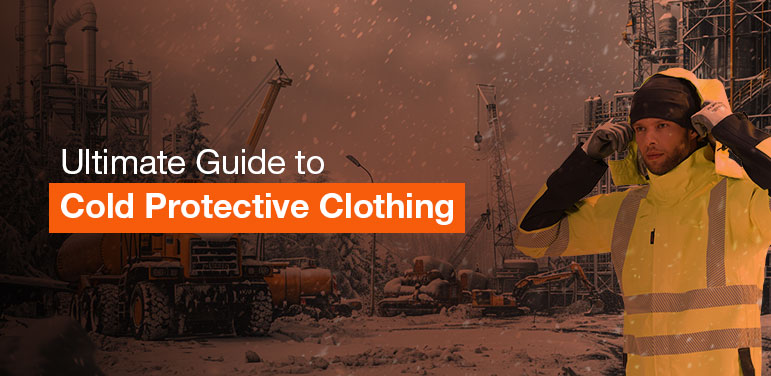
Braving the Chill: The Ultimate Guide to Cold Protective Clothing
When exposed to cold weather, the human body undergoes several physiological changes to maintain its core temperature and adapt to the cold environment. Cooling causes discomfort and impairs physical and mental performance in various ways. Frostbite, hypothermia, and other cold-related injuries can arise from prolonged exposure to cold atmospheric conditions. This can be sudden or …
Read More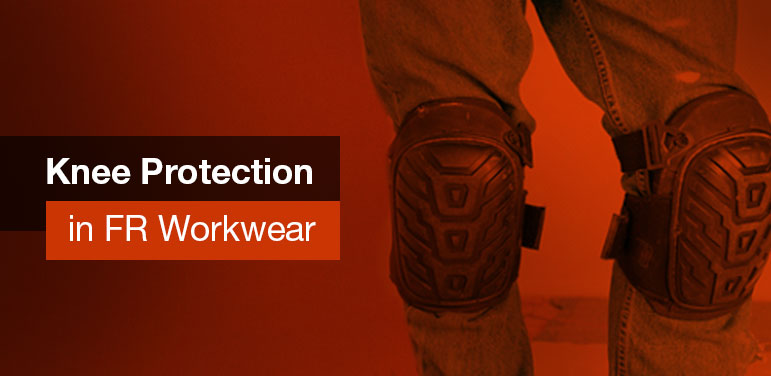
Knee Protection in FR Workwear
Knee protection is required in workplaces where workers are required to kneel for extended periods. This is because kneeling can put a lot of stress on the knees, and can lead to injuries such as osteoarthritis, tendinitis, and bursitis. Knee protection can help to reduce the risk of these injuries by providing cushioning and support …
Read More
Thermal Protection Performance of Flame Retardant Textiles against Convective Heat Exposure: Effect of Fabric Composition and Weight
Thermal protective clothing is designed to provide protection from thermal hazards which include exposure to open flames, hot liquids and gases, high temperature radiant sources, hot solids and surfaces, etc. In the event of an exposure heat transfer from the thermal hazards can occur by radiation, convection or conduction, or a combination thereof. Modes Of …
Read More