
In industries handling flammable gases, vapours, liquids, or combustible dust, ensuring workplace safety begins with understanding hazardous area classifications. These classifications provide a structured way to assess risk, select the right equipment, and comply with international safety standards. Let’s explore how zones are defined, the standards that govern them, and what businesses need to consider …
Read More
Heat Transfer Performance (HTP) Explained
NFPA 2112, the Standard on Flame-Resistant Clothing for Protection of Industrial Personnel against Short-Duration Thermal Exposures from Fire, outlines minimum performance requirements for garments designed to protect workers from flash fire hazards. One of the critical parameters in this standard is Heat Transfer Performance (HTP). HTP measures the ability of flame-resistant fabrics to resist heat …
Read More
OEKO-TEX® Standard 100: A Global Certification for Safe Textiles
As awareness grows about the impact of chemicals and hazardous substances on human health and the environment, consumers are increasingly seeking assurances about the safety and sustainability of the products they buy. The OEKO – TEX® STANDARD 100 certification assures that textiles are free from harmful chemicals, including potentially toxic flame retardants, which could pose …
Read More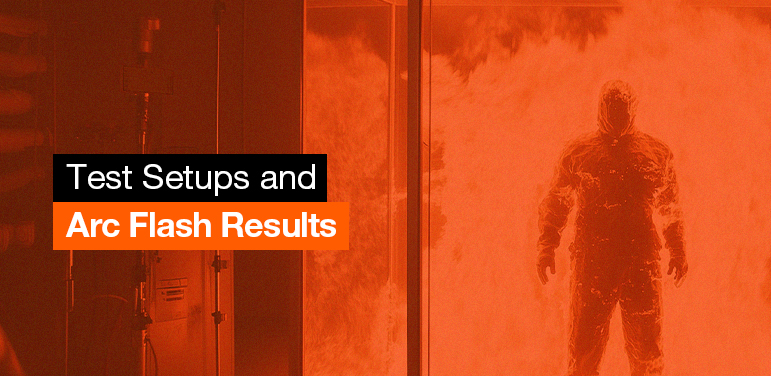
Variation in Arc-Flash Test Results
Introduction Understanding the effects of test setups and material testing parameters on arc flash results is vital for ensuring the safety of workers exposed to electrical hazards. The variability in heat transfer processes during arc flash events can significantly influence the arc ratings of personal protective equipment (PPE). This blog explores how different testing conditions …
Read More
Global Recycled Standard (GRS)
In a world where environmental concerns are at the forefront of every discussion, the textile industry is one of the largest polluters in the world, contributing to environmental degradation and exploiting workers in the process. As consumers become increasingly aware of these issues, sustainable practices become critically important for stakeholders across the textile manufacturing & …
Read More
Stoll Curve and its Significance in Heat and Flame Protection
The human skin is very sensitive to temperature. When the skin temperature reaches 45°C, the person will have a burning feeling. When the temperature reaches 72°C, it will cause second-degree burns to the skin. Alice Stoll and Maria Chianta in the latter half of 1960s, conducted a series of experiments on live, anesthetized test subjects. …
Read More
Latest Update on UKCA marking requirements
The deadline for when businesses need to use the UKCA mark has been extended another 2 years. Businesses can now continue to use the CE marking on the Great Britain (GB) markets until 31 December 2024. Business Secretary, UK Government, Grant Shapps made this announcement on Monday 14 November. To provide businesses with flexibility, the …
Read More
Understanding Arc Flash PPE Categories As Per NFPA 70E
Performance of risk assessment is pertinent before the commencement of any work. NFPA 70E: Standard for Electrical Safety in the Workplace sets out specific norms and regulations for the employer to ensure electrical safety and occupational health for the workers. Employee exposure to electrical hazards must be assessed and the subsequent risk control method must …
Read More
UKCA (UK Conformity Assessed) Marking, Information and Declarations for PPE
Personal Protective Equipment (PPE) placed on the market in Great Britain From 1st January 2021, the United Kingdom has introduced a new conformity assessment regime for goods placed on the market in Great Britain (England, Wales and Scotland). The UKCA (UK Conformity Assessed) marking is the new UK Product marking that covers most goods which …
Read More
NFPA 2112 Component Recognition and Certification explained
You may have heard about the Component recognition or wondered about supplying or purchasing certified components compliant to NFPA 2112. There could be circumstances when there is confusion or no clarity on how to go about with these requirements. In this first part of the blog, we will try to cover some common questions regarding …
Read More