
In industries handling flammable gases, vapours, liquids, or combustible dust, ensuring workplace safety begins with understanding hazardous area classifications. These classifications provide a structured way to assess risk, select the right equipment, and comply with international safety standards. Let’s explore how zones are defined, the standards that govern them, and what businesses need to consider …
Read More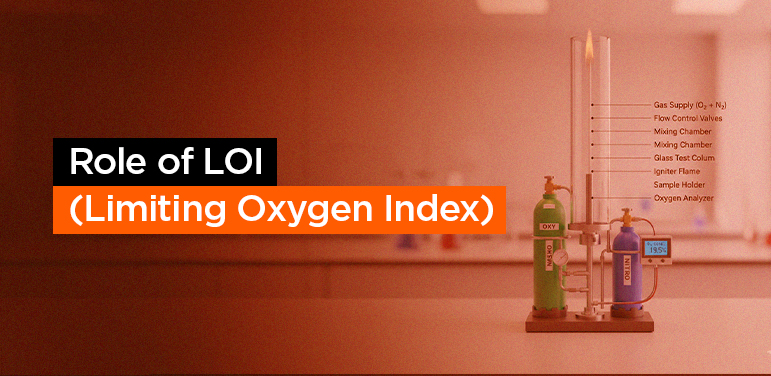
Role of LOI (Limiting Oxygen Index) in Determining Fabric Flame Resistance
We live in a world surrounded by textiles- from the clothes we wear to the furnishings in our homes and workplaces. While these materials add comfort and functionality to our lives, they also pose a potential fire hazard. Understanding how fabrics respond to fire is paramount for safety, and a key metric in this understanding …
Read More
Effect of Moisture on Thermal Protection Performance of Firefighter Clothing
Firefighter clothing stands as a crucial line of defense against the intense heat and flames encountered on the front lines. However, the efficacy of thermal protection performance (TPP) in these garments is not immune to the influence of moisture, whether it be from sweat, rain, water spray, or steam. While it is well-established that wet …
Read More